


Understanding the psychological triggers that drive gambling behavior
Sommario
The Role of Emotion in Gambling
Emotion plays a central role in gambling behavior, acting as a powerful motivator that drives individuals to partake in games of chance. The thrill of risk-taking often results in a rush of adrenaline, which can create feelings of excitement and euphoria. This emotional high can lead players to return to gambling as a means of recreating that exhilarating experience, potentially resulting in compulsive behaviors. The connection between positive emotions and gambling is a significant factor that makes the activity appealing to many. In this context, Golden Lion Casino provides a platform where players can experience these emotions in a safe online environment.
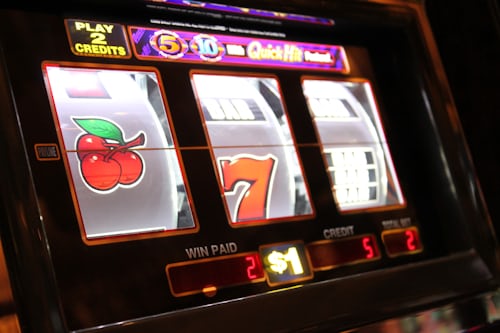
Conversely, negative emotions can also trigger gambling behavior. Individuals facing stress, anxiety, or depression may turn to gambling as a form of escapism, seeking to alleviate their emotional burdens. This desire to escape reality can create a cycle where players repeatedly gamble in an attempt to find comfort or relief, even when it leads to further emotional distress. Understanding these emotional triggers can help identify why individuals may gamble excessively, despite the negative consequences.
Moreover, the interplay between emotion and gambling is often complicated by cognitive biases. Players may develop an inflated sense of control over outcomes, believing they can influence results through their actions. This illusion can lead to increased gambling as individuals chase losses or continue to engage with the hope of a forthcoming win. Recognizing the emotional stakes involved in gambling is vital for addressing problematic behaviors and fostering healthier attitudes toward gaming.
The Influence of Social Factors
Social factors significantly shape gambling behavior, influencing both the frequency and context of gambling activities. Cultural norms and peer influence can create an environment where gambling is normalized or even encouraged. For example, in some communities, participating in games of chance during social gatherings is a common practice, which can lead to increased gambling participation among individuals who may not typically engage in such activities. The social aspect of gambling can thus amplify its appeal and lead to more frequent participation.
Additionally, the rise of online gambling platforms has transformed the social landscape of gambling. Players can now engage with others around the globe, creating new opportunities for social interaction and competition. This digital social environment can foster a sense of belonging, as players connect over shared interests in gaming. However, it can also contribute to problematic gambling behaviors, as the ease of access and anonymity can lead individuals to gamble more than they might in traditional settings.
The impact of social media on gambling behavior cannot be overlooked either. Influencers and advertisements often glamorize gambling experiences, promoting a lifestyle that associates gambling with fun, excitement, and social acceptance. These representations can entice individuals to start gambling or increase their participation rates, reinforcing the psychological triggers that drive their behavior. Understanding these social influences is essential in addressing the complexities of gambling and its appeal across different demographics.
The Impact of Cognitive Biases
Cognitive biases significantly affect how individuals perceive and engage with gambling. One of the most common biases is the “gamblers fallacy,” where individuals mistakenly believe that past outcomes will influence future results. For instance, after a series of losses, a player may assume that a win is “due,” leading them to wager more in hopes of an imminent victory. This misconception can fuel continued gambling, often resulting in substantial financial losses.
Another prominent cognitive bias is the “illusion of control,” where gamblers believe they have a greater influence over outcomes than they actually do. This can manifest in various ways, such as players thinking they can control the dice in craps or influence card draws in poker. This false sense of agency can drive individuals to gamble more frequently, as they are convinced that their skills or choices will lead to favorable outcomes, despite the inherently random nature of gambling.
Additionally, selective memory plays a role in reinforcing gambling behavior. Players often remember their wins more vividly than their losses, creating a skewed perception of their overall gambling experience. This selective recollection can lead to a false sense of profitability, encouraging continued gambling as individuals focus on the excitement of their successes rather than the reality of their losses. Acknowledging these cognitive biases is crucial for understanding the psychological triggers behind gambling behavior.
The Role of Neurobiological Factors
Neurobiological factors also contribute to gambling behavior, with research indicating that certain brain regions are activated during gambling activities. The release of dopamine—a neurotransmitter associated with pleasure and reward—plays a significant role in reinforcing gambling behavior. When individuals experience wins, their brains release dopamine, creating feelings of satisfaction and enjoyment that can lead to repeated behavior. This biological response can make gambling addictive, as the desire for that pleasurable feeling can drive individuals to seek out further gambling opportunities.
Moreover, studies have shown that individuals with a family history of gambling addiction may have different neurobiological responses to gambling. These individuals may have heightened sensitivity to rewards, making them more susceptible to gambling-related cues and cravings. This genetic predisposition can amplify the psychological triggers associated with gambling, leading to a greater likelihood of developing problematic behaviors.
Understanding the neurobiological underpinnings of gambling can help in creating targeted interventions for those at risk of developing gambling disorders. By addressing the biological factors that contribute to gambling behavior, treatment approaches can become more effective in helping individuals manage their impulses and make healthier choices regarding gambling.

Golden Lion Casino: A Community for Gamblers
Golden Lion Casino stands out in the online gaming landscape, offering an engaging platform for players seeking a thrilling gambling experience. With over 800 slots and various other games, the casino caters to a diverse audience, from casual gamers to high rollers. The user-friendly interface and numerous payment options, including cryptocurrencies, enhance the gaming experience, making it accessible and appealing to a wide range of players.
The casino also emphasizes player support, providing 24/7 customer service to assist users with any inquiries or issues they may encounter. This commitment to customer satisfaction fosters a sense of community among players, allowing them to feel supported as they engage in their gaming activities. Furthermore, ongoing promotions and cashback offers create an incentive for players to return, reinforcing the emotional and psychological triggers that may encourage continued gambling.
In conclusion, understanding the psychological triggers behind gambling behavior is crucial for both players and providers. As Golden Lion Casino exemplifies, creating an engaging and supportive environment can enhance the overall gaming experience while acknowledging the complexities of gambling behavior can lead to healthier participation in this popular activity.
