


Understanding the psychological triggers that drive gambling behavior
Sommario
The Nature of Gambling Behavior
Gambling behavior is a complex interplay of psychological factors that influence individuals to engage in risky betting activities. Central to this behavior is the thrill of uncertainty, which can evoke strong emotional responses. The anticipation of winning stimulates the brain’s reward system, releasing dopamine and creating feelings of euphoria. This biochemical reaction can lead to repeated gambling as individuals chase that high, often disregarding the potential for loss. Understanding these underlying mechanisms is essential for recognizing why people might gamble even when they know the odds are against them. RT Bet offers an extensive selection of games, making it a popular choice for many players seeking excitement.
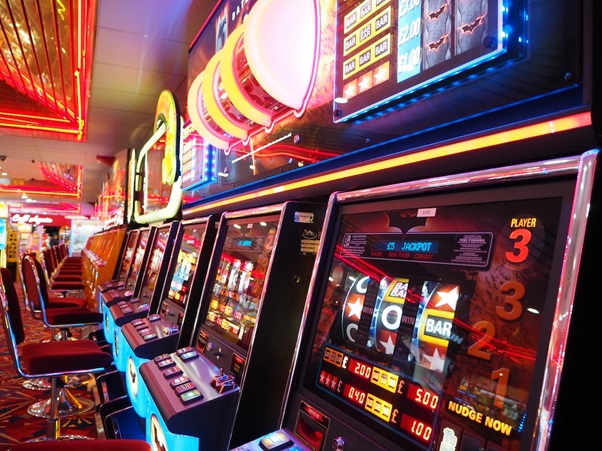
Moreover, the social environment plays a significant role in gambling behavior. Many individuals are influenced by their peers or cultural norms that either promote or discourage gambling. In environments where gambling is normalized, such as casinos or sports events, individuals may feel pressured to participate. This peer influence can enhance the thrill, as the shared experience of gambling can amplify emotions and decision-making processes. Recognizing these social triggers helps in understanding the broader context of gambling behavior.
Additionally, psychological theories such as cognitive distortions often contribute to gambling behavior. Gamblers may develop a false sense of control, believing they can influence outcomes based on previous experiences or superstitions. This cognitive bias can lead to the “gambler’s fallacy,” where individuals think that past losses increase the likelihood of future wins. These perceptions skew rational decision-making and can create a cycle of continued play, even in the face of mounting losses.
The Role of Emotion in Gambling
Emotions are at the core of why individuals gamble. For many, gambling serves as an escape from reality, a way to manage stress or anxiety. When faced with life’s challenges, some individuals turn to the thrill of gambling as a coping mechanism. This emotional attachment can make it difficult for them to recognize the risks involved, further perpetuating the cycle of gambling. The emotional highs of winning can overshadow the rational understanding of probabilities, leading to compulsive betting behaviors.
Furthermore, the excitement derived from gambling can evoke intense emotions such as hope, excitement, and sometimes desperation. Each time a player engages in gambling, they are faced with the potential for a significant emotional shift, whether it’s the joy of winning or the despair of losing. This emotional rollercoaster can be addictive, creating a desire to experience those peaks repeatedly. Thus, emotional regulation becomes a crucial aspect of gambling behavior, where individuals may seek the thrill to counterbalance negative feelings.
Gambling can also trigger positive emotions related to social connection. Many people enjoy the communal aspect of gambling in environments such as casinos or betting on sports events. The shared experiences and interactions can enhance feelings of belonging and satisfaction. However, the dependence on these social connections can lead to a form of emotional reliance, where individuals feel compelled to gamble to maintain their social status or relationships, further complicating the psychology behind gambling behavior.
The Impact of Cognitive Biases
Cognitive biases significantly influence gambling behavior, leading individuals to make irrational decisions based on flawed reasoning. One prominent bias is the illusion of control, where gamblers believe they can influence random outcomes, such as in games of chance. This misbelief can cause individuals to engage in more risky behavior, convinced that they can turn their luck around. For instance, a player might think that wearing a lucky shirt will improve their chances, which reinforces their gambling habits despite the random nature of the games.
Another common cognitive distortion is the tendency to overestimate the probability of winning. This is often seen in gambling contexts where people focus on recent wins while ignoring losses. Gamblers may convince themselves that they are “due” for a win after a series of losses, a phenomenon known as the gambler’s fallacy. This type of thinking can lead to prolonged gambling sessions, where individuals chase losses instead of recognizing when to stop. Understanding these cognitive biases is essential for developing effective strategies to mitigate gambling addiction.
Moreover, confirmation bias reinforces gambling behavior by prompting individuals to seek out information that supports their existing beliefs about luck and skill. Gamblers may only remember their wins and disregard their losses, which creates a skewed perception of their success rate. This selective memory can perpetuate the cycle of gambling, as individuals may feel more confident in their ability to win. Recognizing these cognitive biases can be pivotal in addressing problematic gambling behaviors and promoting healthier decision-making.
The Role of Environment and Accessibility
The environment where gambling occurs can significantly influence behavior. Accessibility to gambling facilities, whether physical or online, plays a crucial role in how often individuals engage in gambling. The rise of online casinos and mobile betting platforms has made gambling more convenient, allowing individuals to gamble anywhere and anytime. This increased accessibility can lead to a higher likelihood of impulsive gambling decisions, often resulting in financial and emotional distress.
Additionally, marketing and advertising strategies for gambling platforms often target vulnerable populations, which can exacerbate gambling behavior. Promotions, bonuses, and advertisements can create an enticing atmosphere that encourages individuals to participate. For example, a casino might highlight the excitement of a jackpot win or offer attractive bonuses, enticing new players. These marketing tactics can create a perception of gambling as a fun and harmless activity, overshadowing the potential risks involved.
Moreover, societal attitudes towards gambling can shape individual behaviors. In cultures where gambling is viewed as acceptable or even encouraged, individuals may be more likely to engage in these activities without considering the potential negative consequences. Conversely, in societies where gambling is stigmatized, individuals may feel guilty or ashamed about their gambling behavior, which can lead to secrecy and further complications. Understanding the impact of environmental factors is essential in addressing the psychological triggers behind gambling behavior.

Exploring RTbet Casino
RTbet casino Canada provides an intriguing context for exploring the psychological triggers of gambling behavior. As a premier online betting platform, it offers a wide range of games, from slots to live dealer options, catering to diverse player preferences. This extensive variety can stimulate different psychological triggers, from the thrill of chance to the social interaction inherent in live gaming. The site also emphasizes responsible gaming practices, aiming to mitigate some of the adverse effects associated with gambling.
The user experience at RTbet casino is designed to engage players, featuring promotions and bonuses that can activate cognitive biases, such as the illusion of control or overestimation of winning. New users can kickstart their experience with generous welcome bonuses, which may inadvertently encourage prolonged play. While these incentives can enhance enjoyment, they also underscore the importance of recognizing psychological influences in gambling behavior.
Overall, RTbet casino review exemplifies how online platforms can engage players while also posing challenges regarding responsible gambling. By understanding the psychological triggers that drive gambling behavior, both players and operators can work toward creating a healthier gaming environment. This awareness can facilitate a more informed gambling experience, balancing excitement with responsibility and mindfulness.
