


Understanding the psychology behind gambling decisions and their impact on behavior
Sommario
The Psychological Drivers of Gambling
The allure of gambling is deeply rooted in psychology. One of the fundamental drivers is the thrill associated with risk and uncertainty. Many players are attracted to the idea of winning big, and this hope often outweighs the awareness of potential losses. The adrenaline rush experienced during a game can elevate mood and enhance excitement, fostering a cycle of behavior where individuals seek these pleasurable feelings again and again. Moreover, cognitive biases play a significant role in shaping decisions. For those seeking an exciting online experience, Mr Fortune Casino exemplifies a place where such dynamics come into play. Gamblers often exhibit overconfidence in their abilities to predict outcomes, believing they can influence luck through skill or intuition.
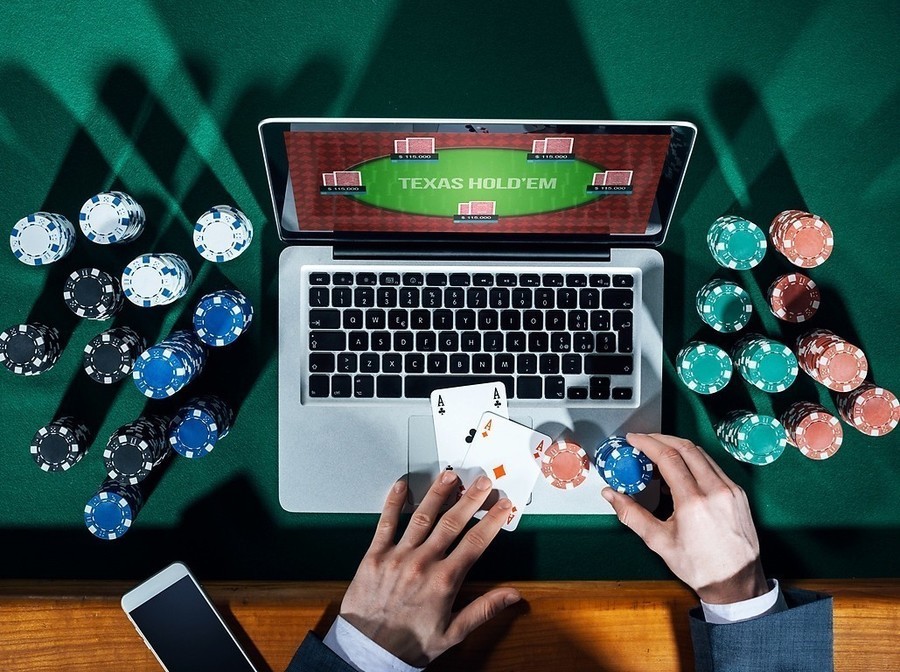
An additional psychological factor is the concept of loss aversion, which is the tendency for individuals to prefer avoiding losses rather than acquiring equivalent gains. This tendency can lead players to chase losses, attempting to recover money they have lost rather than recognizing the futility of this action. In doing so, gamblers may make increasingly risky decisions, further entrenching themselves in a cycle of gambling that can have severe financial and emotional consequences. This dynamic illustrates the conflict between rational decision-making and emotional impulses in gambling behavior.
Finally, social influences cannot be overlooked. Social networks, peer pressure, and cultural norms all contribute to an individual’s gambling habits. When gambling is normalized within a social group, individuals may be more likely to engage in it, often without fully considering the risks involved. The sense of community and shared experience can reinforce gambling as a socially acceptable activity, further complicating the psychological landscape surrounding these decisions. Understanding these psychological drivers is crucial for addressing and mitigating harmful gambling behaviors.
The Role of Technology in Modern Gambling
Technology has significantly transformed the landscape of gambling, particularly with the rise of online platforms and mobile applications. The convenience of placing bets from anywhere at any time has made gambling more accessible than ever before. This ease of access can lower the barriers for new players and entice them to participate more frequently, sometimes leading to compulsive behaviors. The immediacy of online gambling also heightens the thrill of instant gratification, making players feel rewarded quickly, further embedding the habit.
Furthermore, data analytics and personalized marketing strategies used by online casinos can effectively target players based on their past behaviors. This personalization can amplify existing tendencies by encouraging individuals to gamble more through tailored promotions and offers. For example, if a player exhibits a propensity for specific games, the platform may send them targeted incentives to engage further, which can inadvertently lead to a cycle of increased gambling. The integration of technology not only transforms how gambling is experienced but also influences the decisions players make.
Moreover, the social aspect of technology plays a vital role in gambling behavior. Features such as live dealer games, chat functions, and social media sharing create a community environment, making gambling a more engaging experience. Players may feel a sense of belonging when they participate in online forums or share their wins and losses with friends. However, while these social interactions can enhance enjoyment, they may also foster unhealthy competition and increase the urge to gamble more frequently to keep up with peers or to share more success stories.
The Emotional Consequences of Gambling
The emotional consequences of gambling can be profound and far-reaching. Many gamblers experience a rollercoaster of emotions ranging from euphoria during wins to despair during losses. This cycle can lead to heightened stress and anxiety, particularly when individuals find themselves unable to control their gambling behavior. The emotional toll can extend beyond the individual, affecting relationships with family and friends, creating a ripple effect of distress and conflict.
Moreover, the stigma associated with gambling addiction can exacerbate feelings of isolation. Many individuals may feel ashamed of their gambling behavior and hesitate to seek help. This reluctance to open up about their struggles can lead to further emotional distress, as they may grapple with guilt and denial. The longer a person remains trapped in this cycle, the more entrenched their emotional issues can become, potentially leading to severe mental health challenges such as depression or anxiety disorders.
Understanding these emotional consequences is vital for fostering support systems and interventions that can help gamblers regain control over their lives. Professional help, support groups, and educational programs can provide individuals with the tools they need to manage their gambling behavior effectively. By addressing the emotional aspects of gambling, it becomes possible to mitigate its adverse effects and promote healthier decision-making.
The Influence of Cognitive Biases on Gambling Decisions
Cognitive biases play a crucial role in shaping the decisions made by gamblers. One prominent bias is the illusion of control, where individuals believe they can influence outcomes in games of chance, such as poker or roulette. This belief can lead gamblers to make irrational decisions, placing bets on games they perceive themselves to have skill in, despite the inherent randomness involved. Such biases can create a false sense of confidence, ultimately leading to more significant losses and reinforcing the cycle of gambling.
Another common cognitive bias is the gambler’s fallacy, which occurs when individuals believe that past outcomes can affect future events in independent games. For instance, a player might think that because a certain number hasn’t come up recently in a game of chance, it is ‘due’ to appear soon. This misperception can lead to irrational betting behavior, as gamblers may place bets based on unfounded beliefs rather than statistical probabilities. Understanding these cognitive biases is essential for helping individuals recognize flawed thinking patterns that can lead to poor gambling decisions.
Lastly, the confirmation bias also comes into play, where gamblers tend to focus on information that confirms their existing beliefs while ignoring evidence that contradicts them. For example, a player might only remember their wins and dismiss their losses, creating a skewed perception of their success. This cognitive distortion can reinforce harmful betting behavior, leading individuals to believe they are more successful than they truly are. Addressing these biases can help gamblers develop a more realistic understanding of their behavior, allowing for healthier decision-making.

Exploring Mr. Fortune Casino’s Role in Responsible Gambling
Mr. Fortune Casino provides an engaging online gaming experience that prioritizes player satisfaction and security. As one of the leading platforms for New Zealand players, it offers a vast selection of games, including over 3,000 pokies and live dealer options. With a robust welcome bonus and various promotions, the casino aims to create a fun environment for players while ensuring they are aware of responsible gambling practices.
The platform recognizes the importance of addressing the psychological aspects of gambling and offers resources to help players make informed decisions. For instance, Mr. Fortune Casino encourages responsible gaming by providing tools that allow players to set betting limits and self-exclude if necessary. Such measures are essential in promoting healthy gambling behaviors, ensuring that players can enjoy their gaming experience without falling into problematic patterns.
Ultimately, Mr. Fortune Casino seeks to balance the excitement of gambling with a commitment to player well-being. By fostering a culture of awareness and responsibility, it serves as a model for how online gaming platforms can integrate psychological understanding into their operations, helping to mitigate the negative impacts of gambling on behavior and mental health. By addressing these complexities, Mr. Fortune Casino aims to create a safe and enjoyable gaming environment for all players.
